Start early, take a long-term view, keep it simple, and diversify.
Only I know how many countless hours I've spent on CNBC listening to Tom Lee's optimism, how many Morgan Housel pages I've flipped, how many memos from Howard Marks I listened to, how many Berkshire shareholder letters I went through, striving to get an edge from what smarter people than me have to say about winning with investing.
Be it Bill Ackman explaining the keys to successful investing or Ben Felix synthesizing years of research into his top investing lessons, I keep coming back to the same principles because investing has been solved, but it's hard.
My success in the market is explained simply by not trying to time the market, not trying to get rich quickly, not putting all my eggs in one basket, not trying to overcomplicate strategy, not investing money I couldn't afford to lose, and, most importantly of all, not starting too late.
All the things I did not do to get to one million dollars in the market.
Start contributing early
For most people, investing in a portfolio of low-cost total market index funds is good enough, even if it’s not perfect.
Index investing is the smartest way for the majority of retail investors.
If it has been solved by indexes like the S&P500, what makes it hard?
Handling emotions that arise with market volatility is what makes patience the most important virtue of great investors.
Take a long-term view
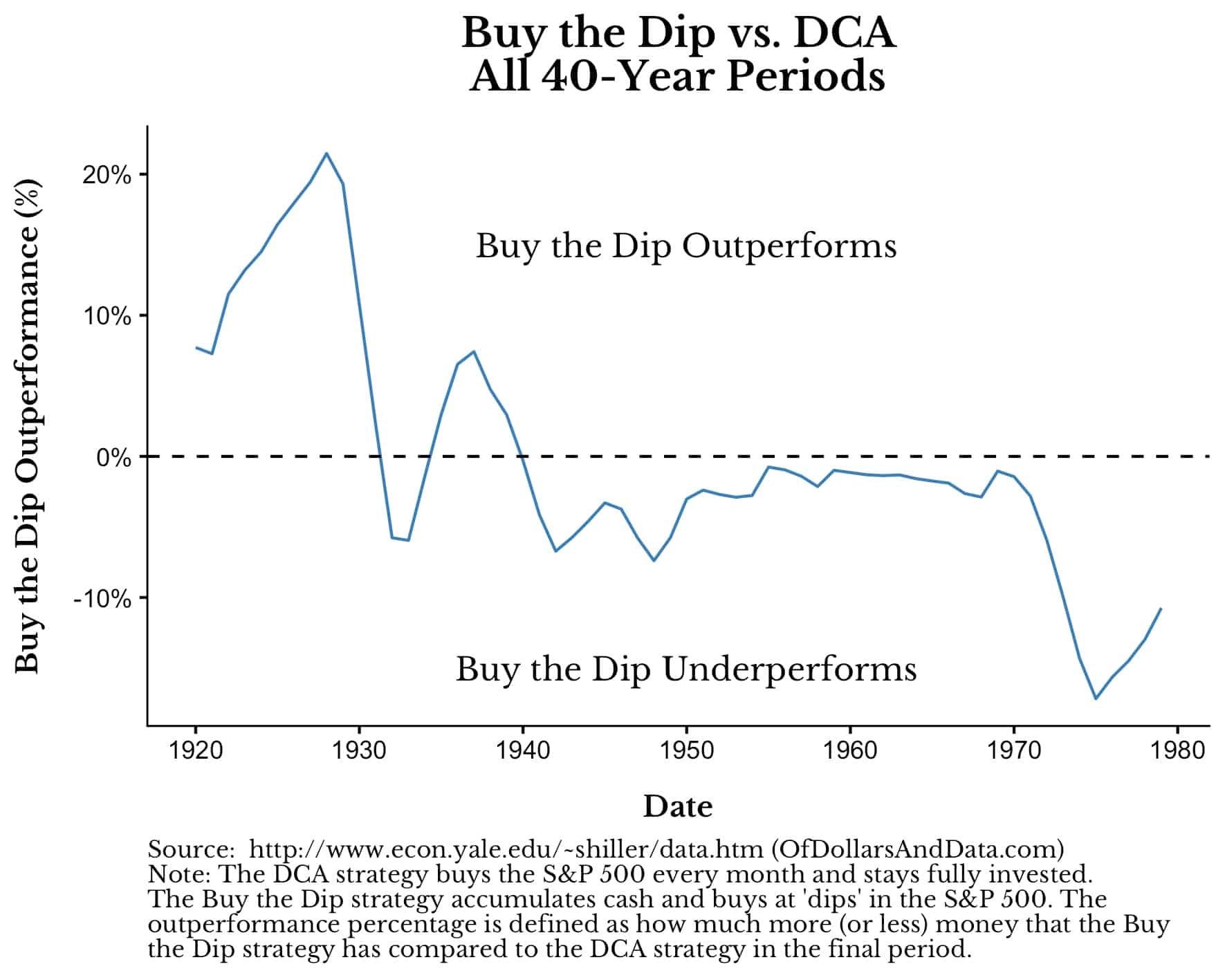
There's a great read from Nick Maggiulli called "Even God Couldn't Beat Dollar Cost Averaging" that offers a lot of perspective on how bad timing the market is as a strategy. Even with perfect information, a buy-the-dip strategy will typically underperform a regular dollar cost averaging because while you wait for the next dip, the market is likely to keep rising.
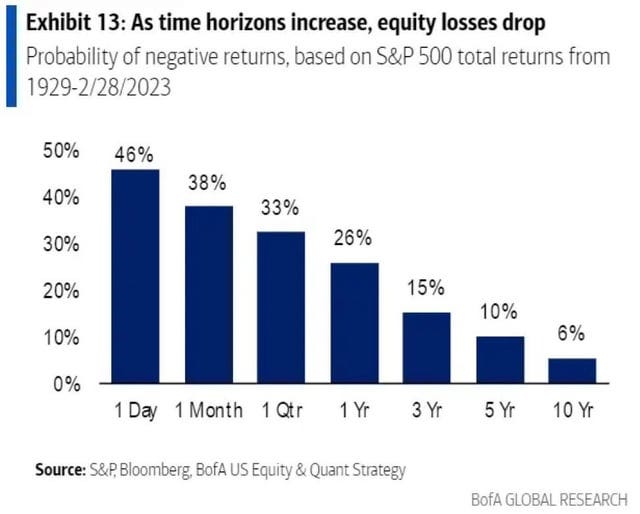
I learned to trust the process and exercise patience when I started zooming out, looking at a realistic 30-year investing horizon, and modeling how low the probability of losing money is when you adopt a long-term view
“The first rule of compounding is to never interrupt it unnecessarily,” I won't forget the mentor, the example, where we were, and how I felt enchanted to experience firsthand someone who, by my standards, “made it” by playing it consistently safe over decades
Most of Buffett’s net worth was accumulated after his 60s. He’s a great investor, but his real superpower is that he’s been one for three-quarters of a century. If he’d retired at 60, almost no one would know his name.
Morgan Housel calls it strategic mediocrity, being willing to operate below your potential year over year so you can still be in the game in year thirty. Compounding doesn't reward brilliance. It rewards presence, endurance matters more than peak returns. Time in the market, never timing the market.
Keep it simple, diversification is (still) the only free lunch in investing.
Diversification has been called the only free lunch in investing for decades because it offers the rare opportunity to reduce risk, measured by return variance, without reducing expected returns.
It is known that many hedge funds struggle to beat the market
There are many ways to make money in the market, but I continue to believe this is the best and most attainable for the average investor. For you and me to be able to accomplish this is really by just compiling a portfolio of great companies and being able to have the discipline to hang on to them.
Hands-off investing strategy
Every quarter starts with a portfolio snapshot and a portfolio health report, it’s part of the Think Week repertoire.
It’s fascinating to see the portfolio 3-yr CAGR at 22%, considering the 2% dividend yield. Humble performance that matches the S&P500, a feat that many hedge fund managers can't reach because of their bad incentives.
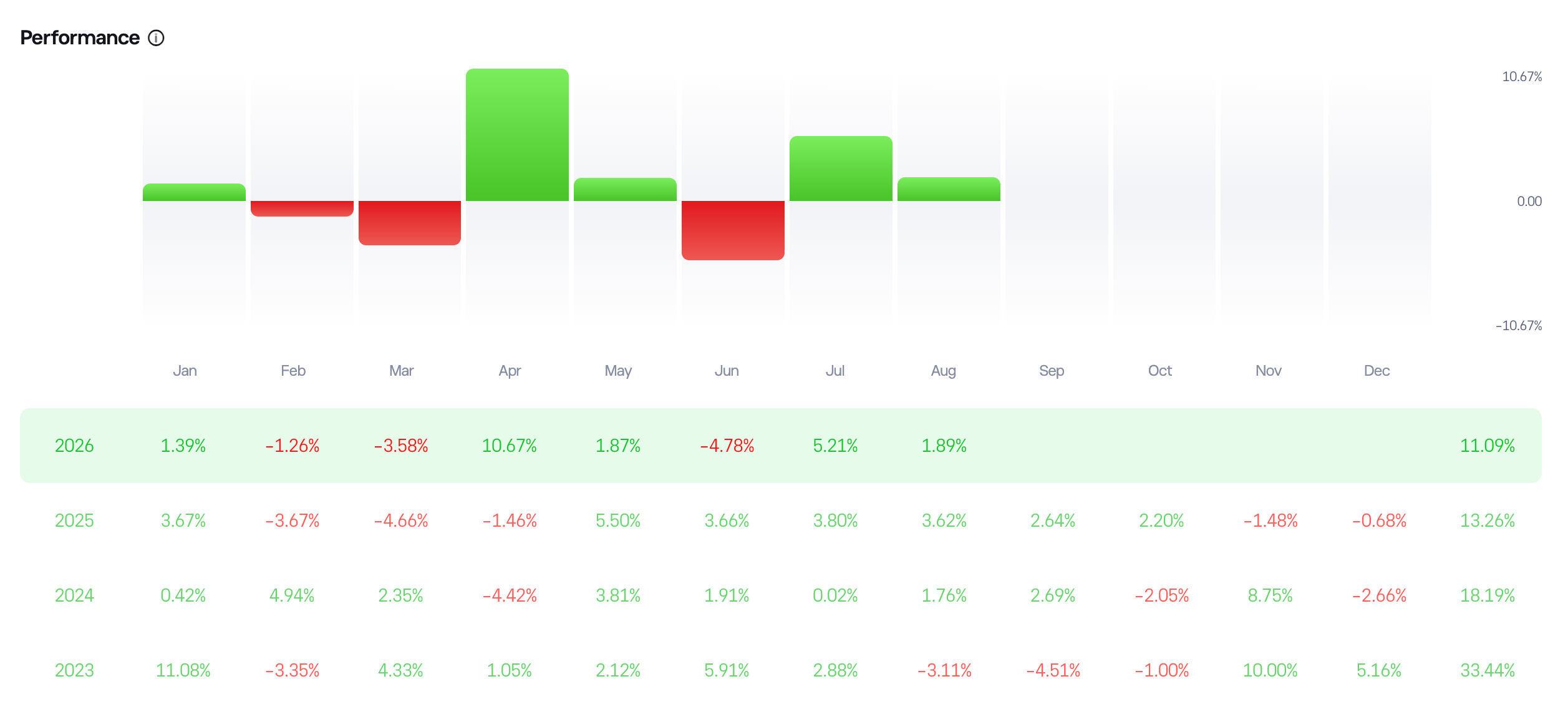
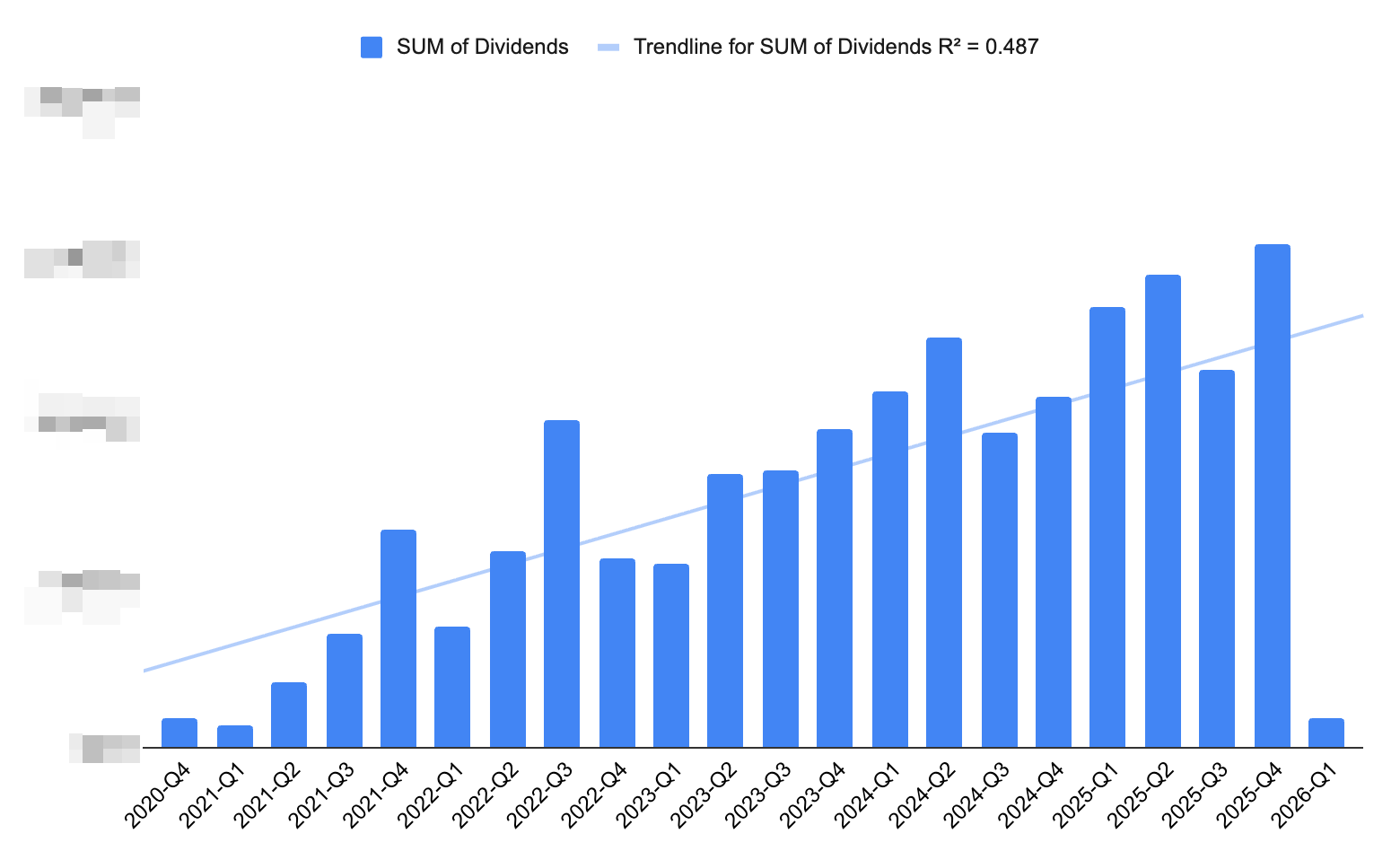
When I look closer at the consistent dividend growth, the early days of a compounding machine, it's when my motivation sparks, and the wealth-building journey makes sense to me.
I love investing because it’s the best path to financial freedom that I know and have access to, and as Buffet said, I like to be independent, I want to be able to do what I want to do every day, and money lets you do that.