The scene
In 2014 The Eight became the first Chinese restaurant in Macau to hold three Michelin stars. In 2024 it lost one. It has held two ever since, and it had two on the night I ate there.
I want that on the record early, because everything else I am about to write argues with it.
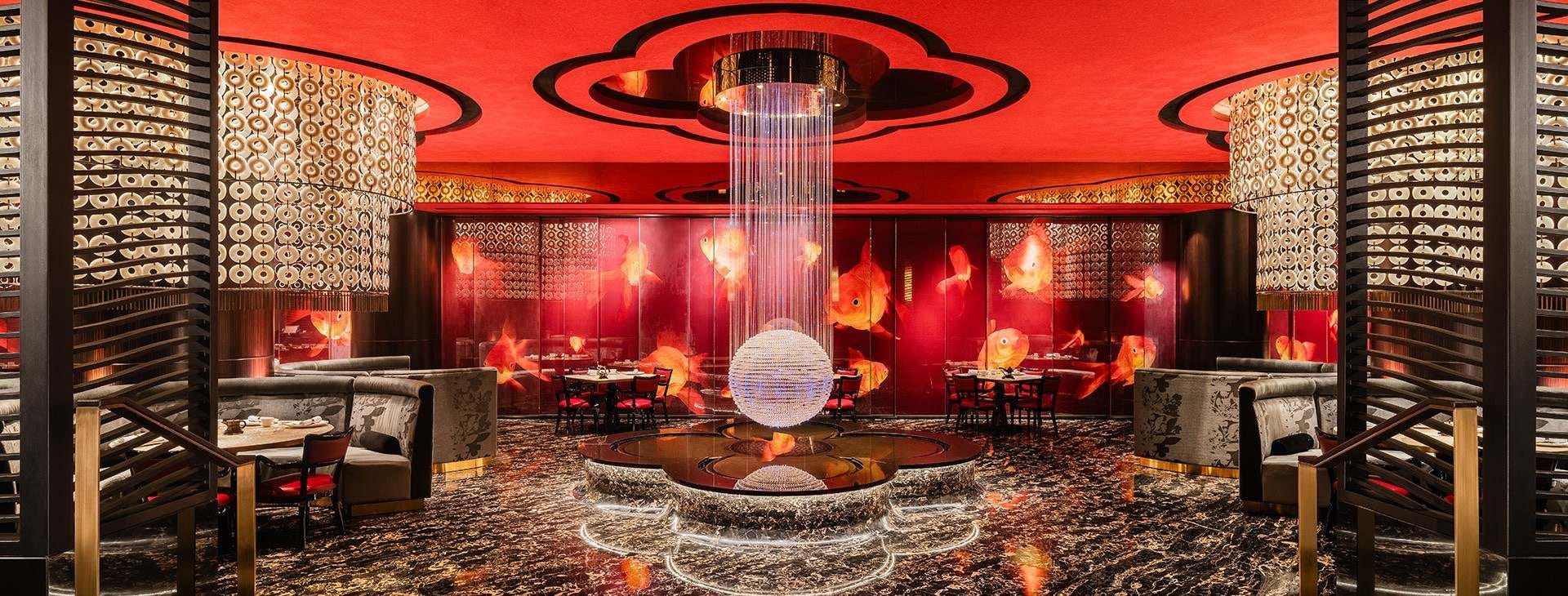
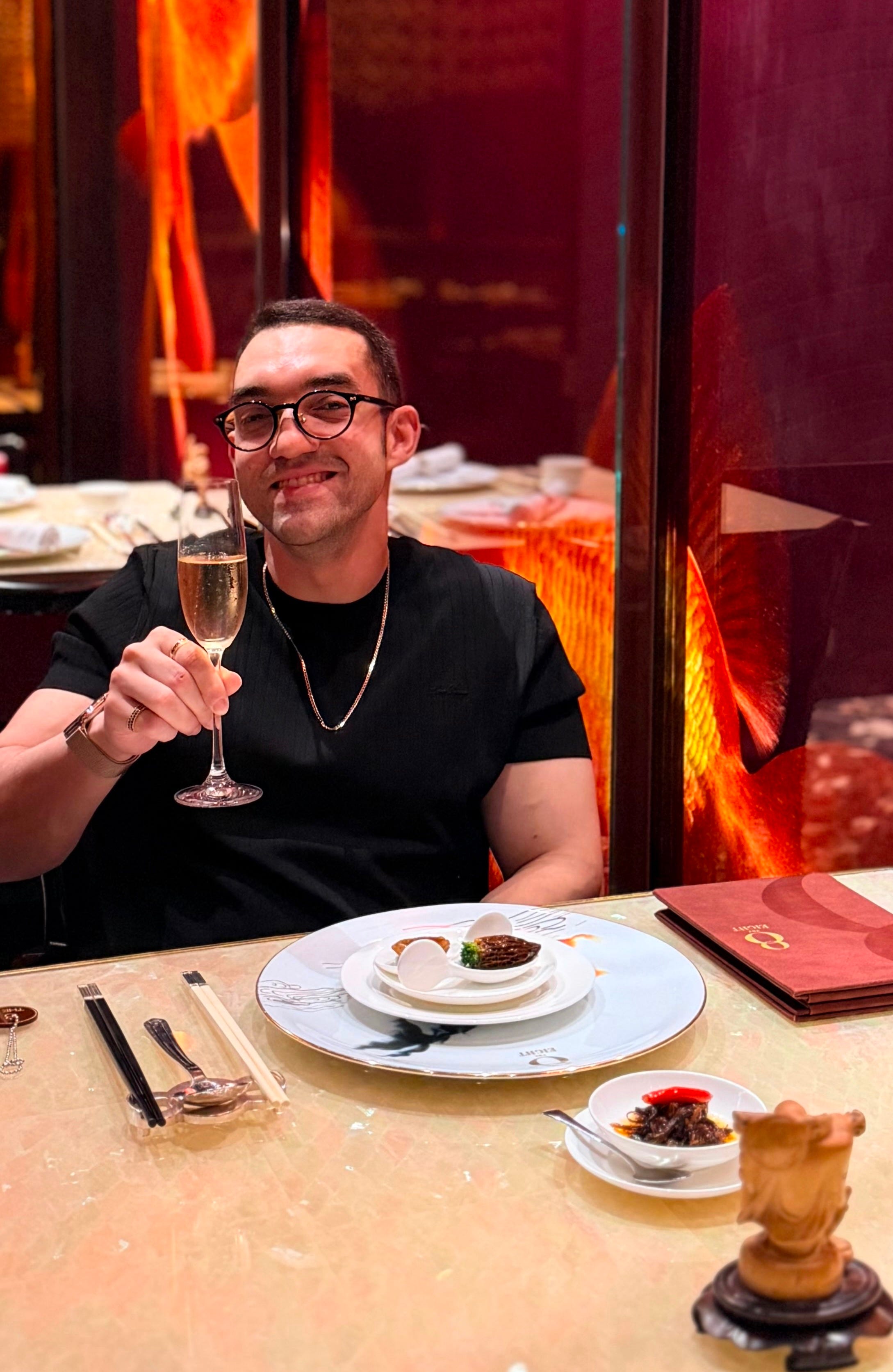
The kitchen belongs to Joseph Tse, who came to the Grand Lisboa in 2015 with five decades of Cantonese cooking behind him. The room belongs to two symbols. The number eight, which in Chinese numerology means fortune, and also my birthday date and the reason for the visit. And goldfish, which mean abundance — hand-stitched in silk across the dining room wall, and projected into the water curtains at the entrance so they appear to swim beneath your feet as you walk in. The entrance is dark and quiet and feels like being submerged. It is the best first fifteen seconds of any restaurant I have entered.
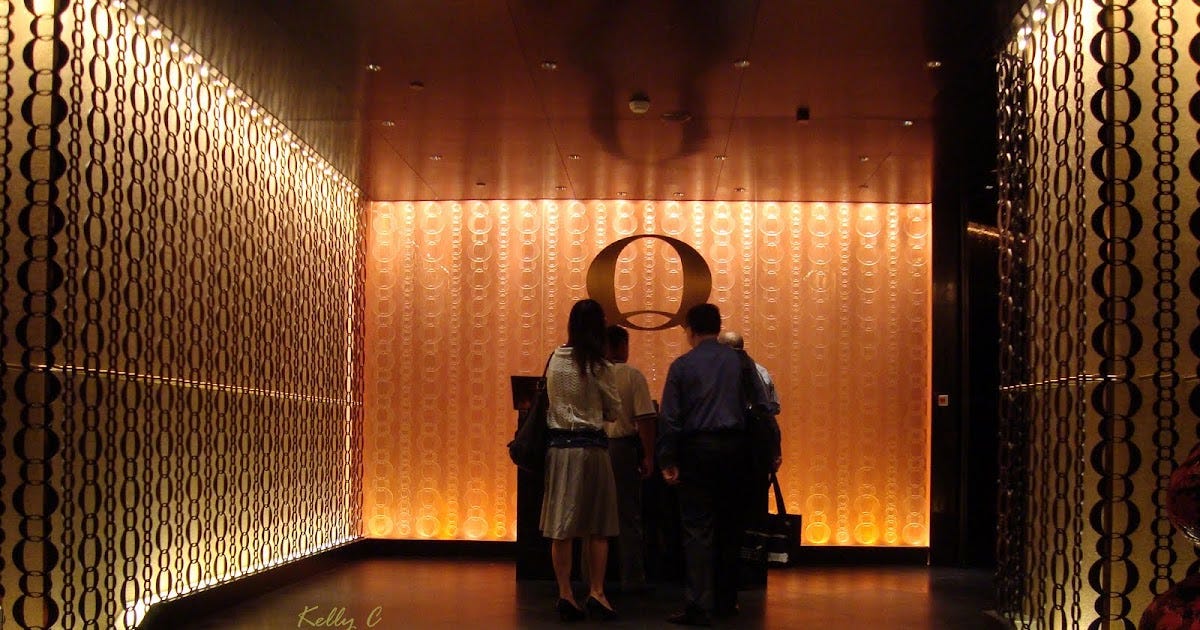
I arrived early into a nearly empty room. A Chinese family had taken a round table in one corner, eight of them, celebrating something. Two well-dressed men came in later and were almost certainly up from the casino floor. Beyond that: silence, low light, and a corner table laid with more care than most restaurants give an entire section.
What brought me there
Every April I celebrate a special edition of The Think Week, and this was 2026.
Guangzhou, Shenzhen, Hong Kong, then Macau. It came after five years at Legend, and part of the point was to sit down with one of our chief executives in his area, the person who brought me into the business in the first place. Five years is long enough that you should go and say thank you in person.


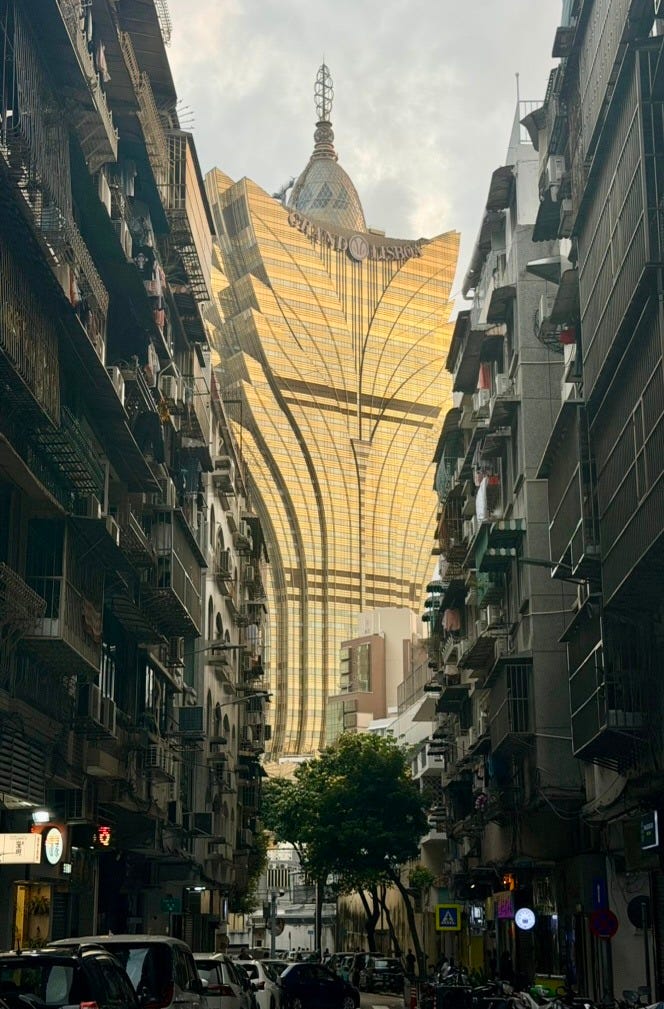
I turned thirty-something in Hong Kong on the 8th, then crossed to Macau for two nights: one at the Venetian out in the resort sprawl of Cotai, and one at the Grand Lisboa, for this dinner and for the older city — the Ruins of St. Paul’s, where the façade is all that survived, and far too much Koi Kei pork jerky from the souvenir bakeries near it.


I had booked The Eight from Poland, weeks earlier. In the email I mentioned, in a subordinate clause, that this was a birthday trip matched with a few meetings in the region. I was explaining why I wanted the date, didn't ask anybody for anything.
Hospitality
The amuse-bouche arrived tasting exactly like pulled pork in spicy chilli oil. The fiber was right, the give was right, the heat was right. When the waiter came to check on me, I asked whether it was pork — not to catch anyone out, but because I wanted to be able to remember what I had eaten.
Mushroom, he said.
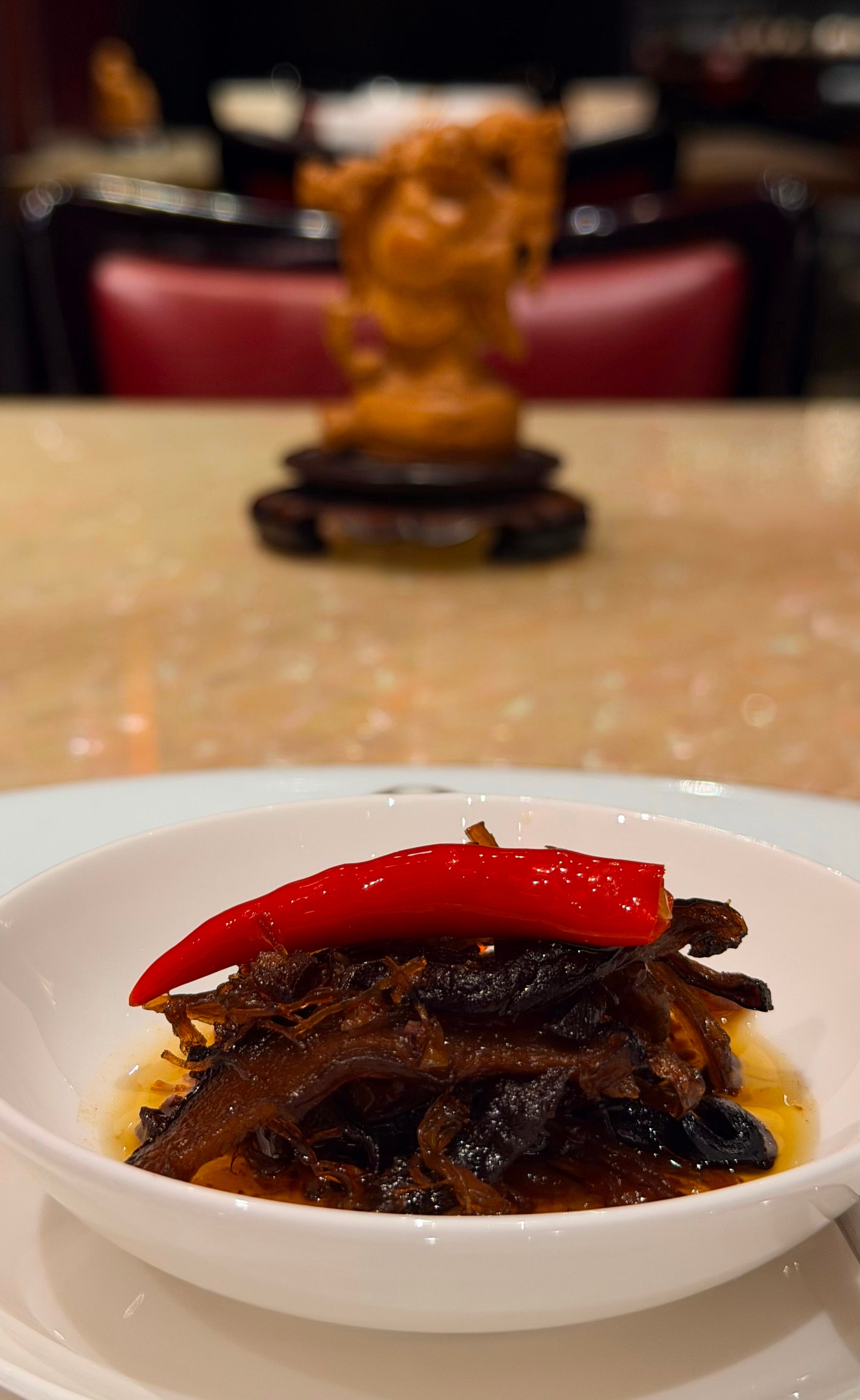
Then he watched me be delighted about that, went away, and came back with a second round I had not asked for and had no way to request.
That is the whole thing. He was not solving a problem. Nothing had gone wrong. He noticed a small private pleasure and decided to extend it, and the cost to the restaurant was one more portion of mushroom. This is what people mean by unreasonable hospitality, and it is almost never expensive. It is almost always just attention.
And then, at the end of the meal, the peaches.
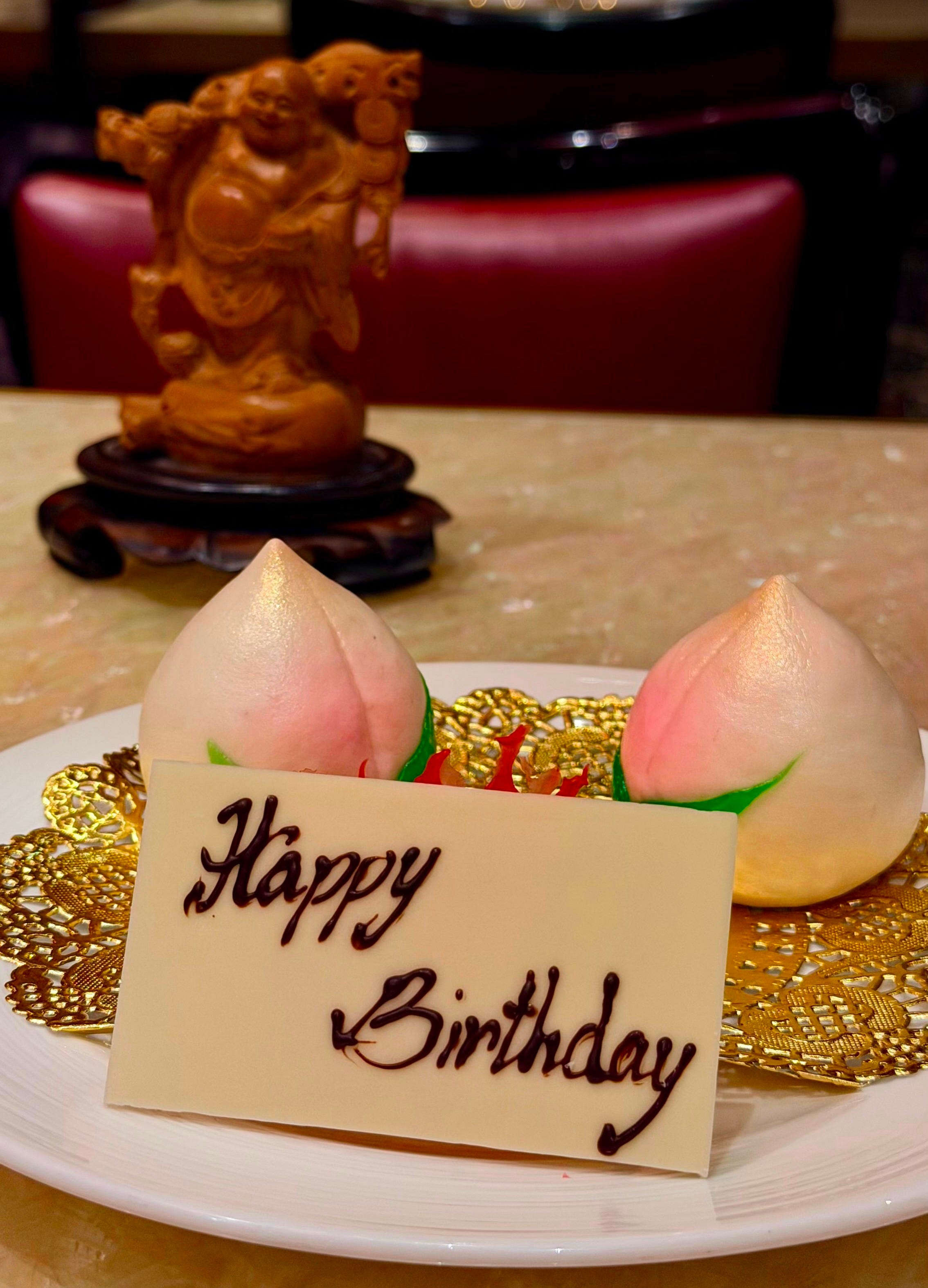
Not a cake with a candle in it. Longevity peaches — 壽桃 — the peach-shaped buns traditionally served at Chinese birthdays, two of them, on gold, with a chocolate plaque. Someone told me what they were, which is the only reason I understood what I was looking at rather than photographing a nice dessert.
Work backward from that plate, and you arrive at a clause in an email, written weeks earlier from another continent, by someone who was explaining a date rather than making a request. Somebody read it. Somebody kept it. Somebody decided that the right response was not the international default but the gesture that actually belongs to the place I was standing in.
I have thought about that more than I have thought about the food, and the food was extraordinary.
The food
Honey-glazed barbecue pork. Their signature, and the reason this kitchen’s barbecue has a reputation at all. Lacquered dark, tender the entire way through, sweet without tipping into candy.
Crispy fried chicken. The waiter’s recommendation and the better dish of the two. So delicate you would not believe it had been near oil — except for the skin, which shatters, and which is the whole Cantonese argument for frying in the first place.


Champagne to open. Then jasmine tea, prepared at the table with a deliberateness I stopped talking in order to watch.
What I did not eat: the dim sum. Over forty kinds, and arguably what they are best known for. I had also skipped the abalone, having eaten my fill of it in Hong Kong two days before. So this is a review of a fraction of a restaurant.
650 patacas. Around eighty US dollars. A two-star in London costs four times that, and I am not confident it would arrive with any of what I have just described.
The scorecard
Food 5 — the barbecue pork and the chicken were both faultless
Service 5 — a second round of mushrooms nobody asked for
Atmosphere 5 — goldfish, silence, and the best entrance I have walked through
Overall ★★★★★ — my number one restaurant experience to date
The artful critic
Here is what will not leave me alone.
I spent years working around review platforms. I know how ratings are built, how they are gamed, and how much weight people put on a number they have never once interrogated. And I ate, on my birthday, at a restaurant that had recently been told by the most powerful rating body in food that it was worth one star less than before — from "worth a destination” to being “worth a detour.”
So this was the best detour I've done in life so far.
A star measures a kitchen at its most demanding: consistency, technique, the hardest things on the menu executed identically on a Tuesday in February. That is a real and difficult thing to measure, and Michelin measures it better than anyone. But it does not measure whether someone reads your booking email.
Which is the more useful lesson for anyone building anything. The third star costs a kitchen years and a fortune. The mushrooms cost nothing. One of those is a moat and the other is a decision, and the decision is available to every business on earth this afternoon.
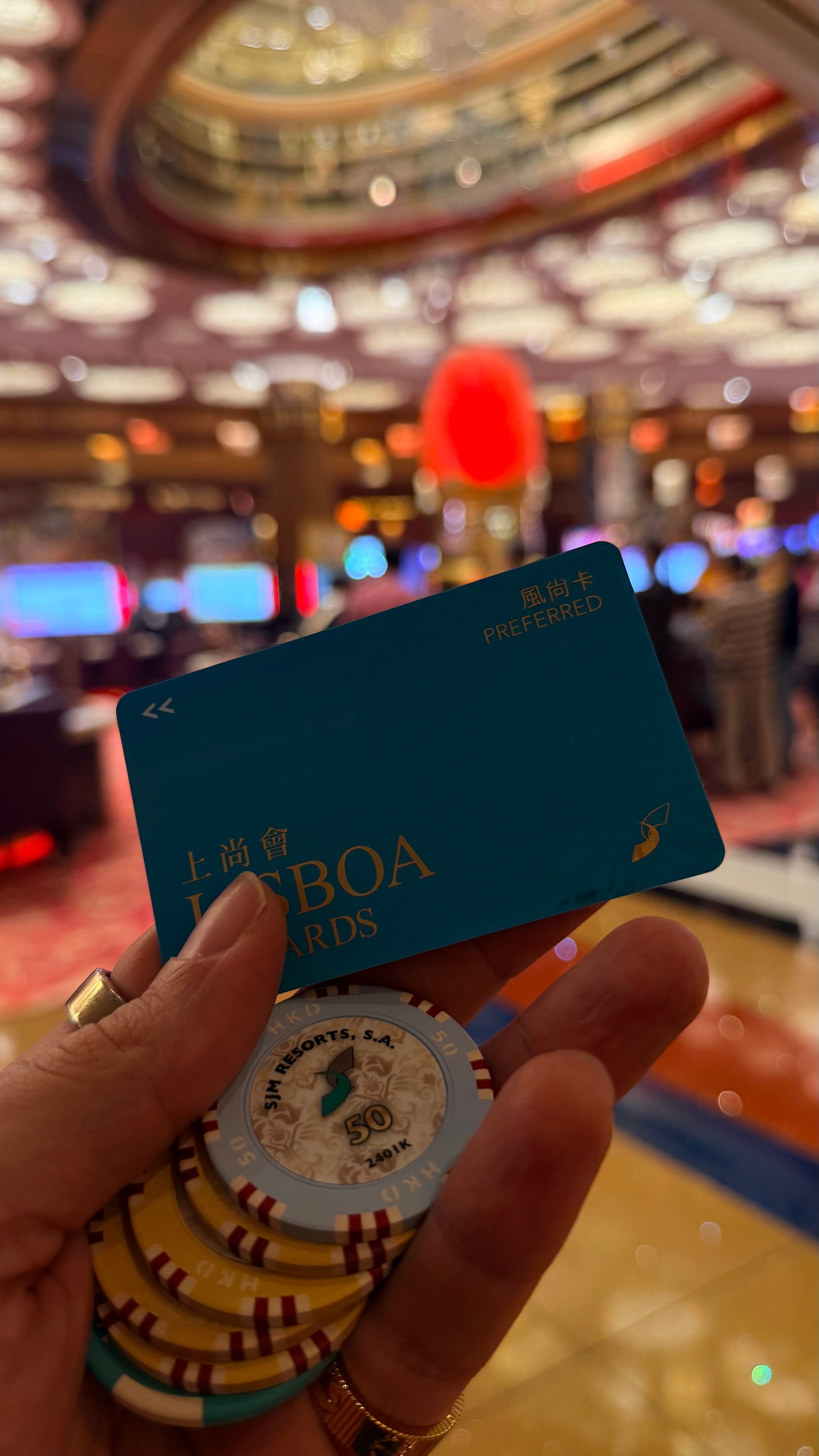
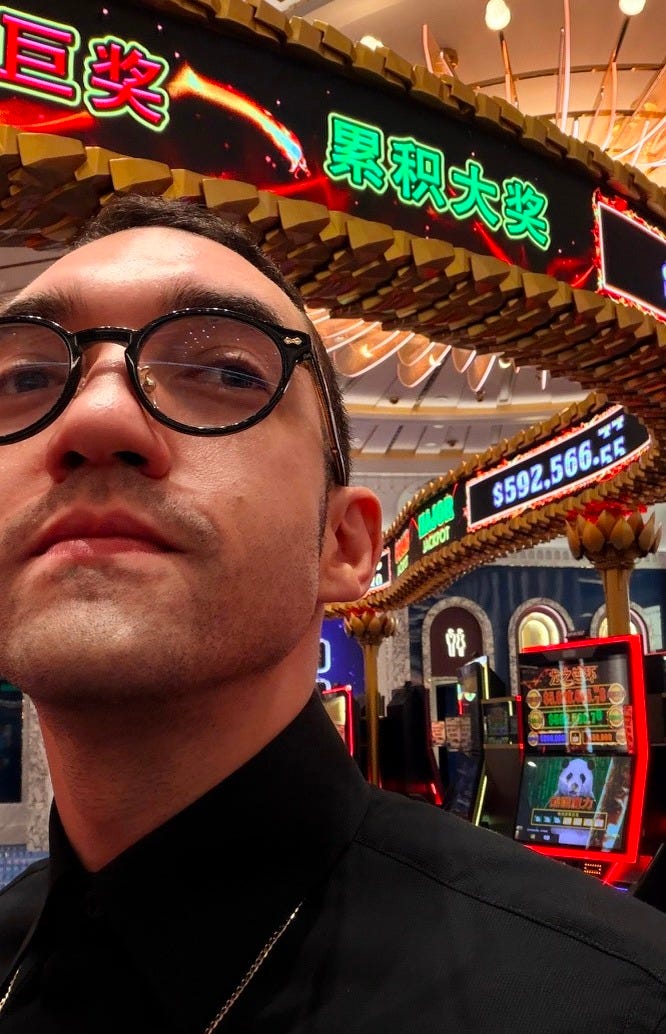
Later that night I took a couple of chips down to the floor and played Sic Bo badly for an hour, which is the correct way to end a night at the Grand Lisboa.
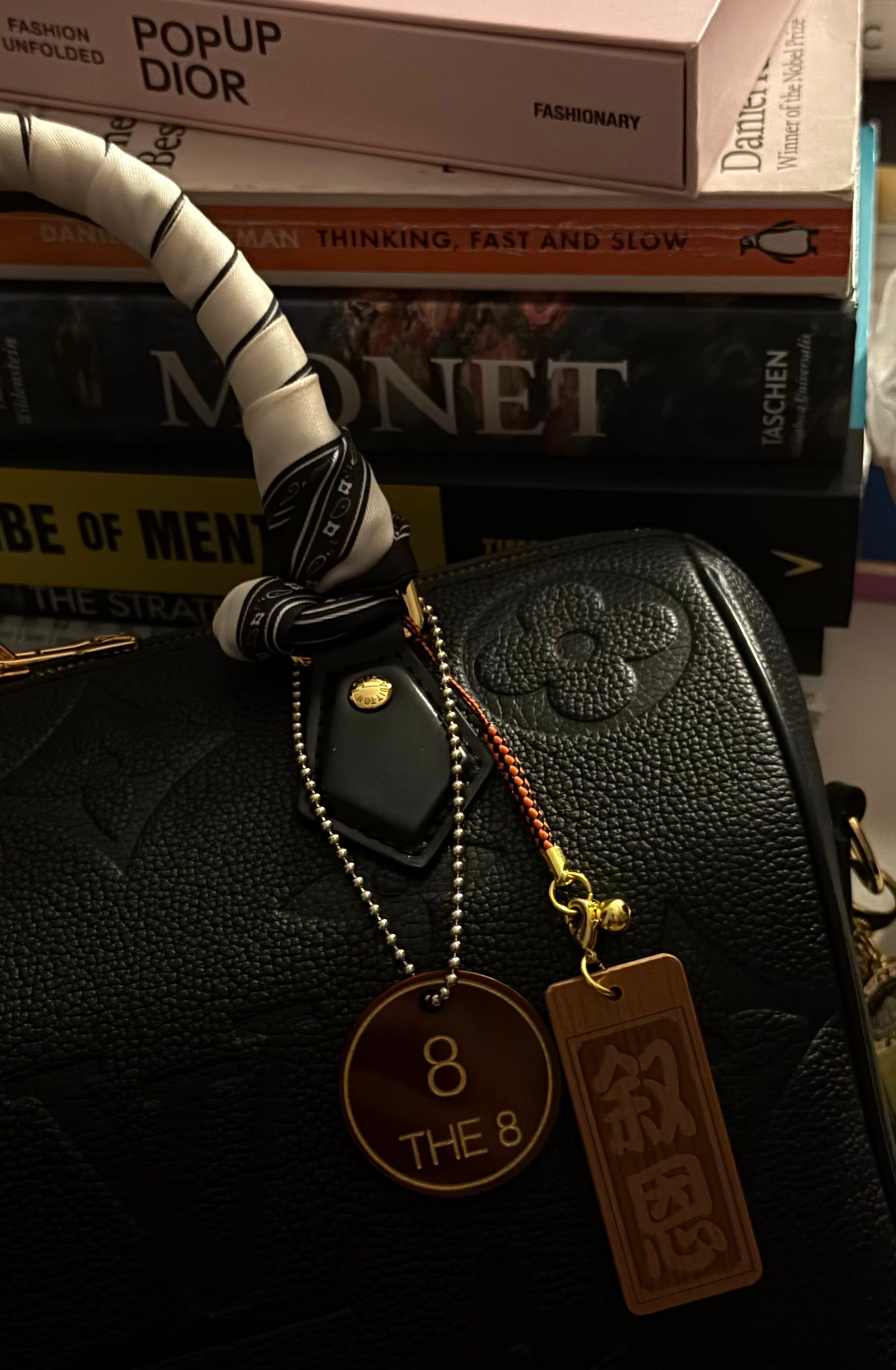
On the way out they had given me a keychain with an 8 on it. I do not know if everyone gets one. It is in one of my bags right now, sixteen months later, and I know exactly which bag.
“Service is black and white; hospitality is color.”
— Will Guidara, Unreasonable Hospitality