

In a world of constant noise, I had to learn to harness the quiet. The Think Week became a quarterly life ritual that changed how I plan the future.
Having a plan
Notice how every complex product comes with a manual so you can avoid mistakes and get the best experience, yet we enter this world with little instruction on how to make the most out of life. Some of us are lucky and learn the basics from good parents, mentors, and communities around us, but only time and enough reflective thinking reps help us to know ourselves better and understand our aversions and inspirations.
I entered the business world when I was 16, a mechanical technician in the quality department of Thyssenkrupp in South Brazil, the first time I recall being requested to have a plan. It took me a few years to start noticing how many people around me had very clear plans for their jobs but no order of operations for their lives. Being reactive to everything didn't work for my obsession with feeling in control, so I started planning life based on what I knew best at that time, turn-based RPGs and Dungeons & Dragons 3.5 that dominated my childhood.
Engineer was my character class, and by the age of 18, I had spent many points in intelligence and few in charisma or constitution, but I realized that navigating life was just a game of collecting experience points, and every six months I took time to review my character sheet. That was the beginning of me being intentional about how I designed a life worth living.
The Think Week
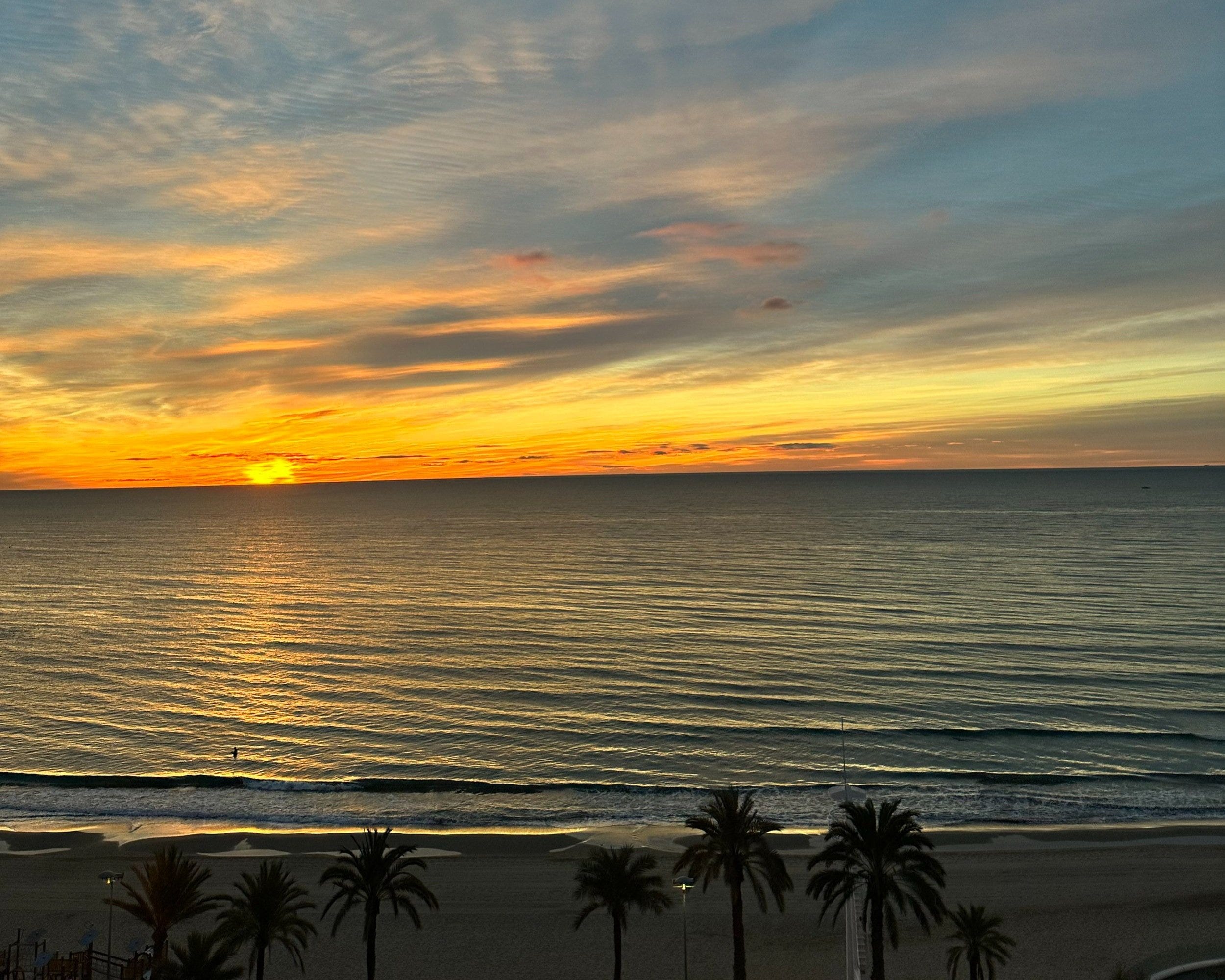
I remember being in Hungary around 2019 when I first crossed Bill Gates’ solo ‘think weeks’ in a cabin in the woods concept to go through the numerous books that a busy life wouldn't allow him to dive into. By then, I already had a well-established planning routine: at the beginning of each year, I set the roadmap for life and business, and every quarter I sharpen the saw.
What I got from his protocol was the idea of pairing that with travel, not necessarily to a remote place where I'd arrive by boat or helicopter, but to fresh horizons I haven't seen yet, which I've perfected over the past 7 years, having seen more than 60 countries.
I understand what Anthony Bourdain thinks when he said travel is not a reward for working; it is an education for living and how travel changes you. As I move through this life and this world, I end up changing things slightly. I leave marks behind, however small. And in return, life and travel also leave marks on me.


At work, we force ourselves to run sprint retros, quarterly business reviews, weekly TPS reports, everything with an expected structure that I missed when first trying to plan my own destiny. I tried and tested many templates and ended up with a simple set of tools that works for me and seems to work for the people I coached on life planning.
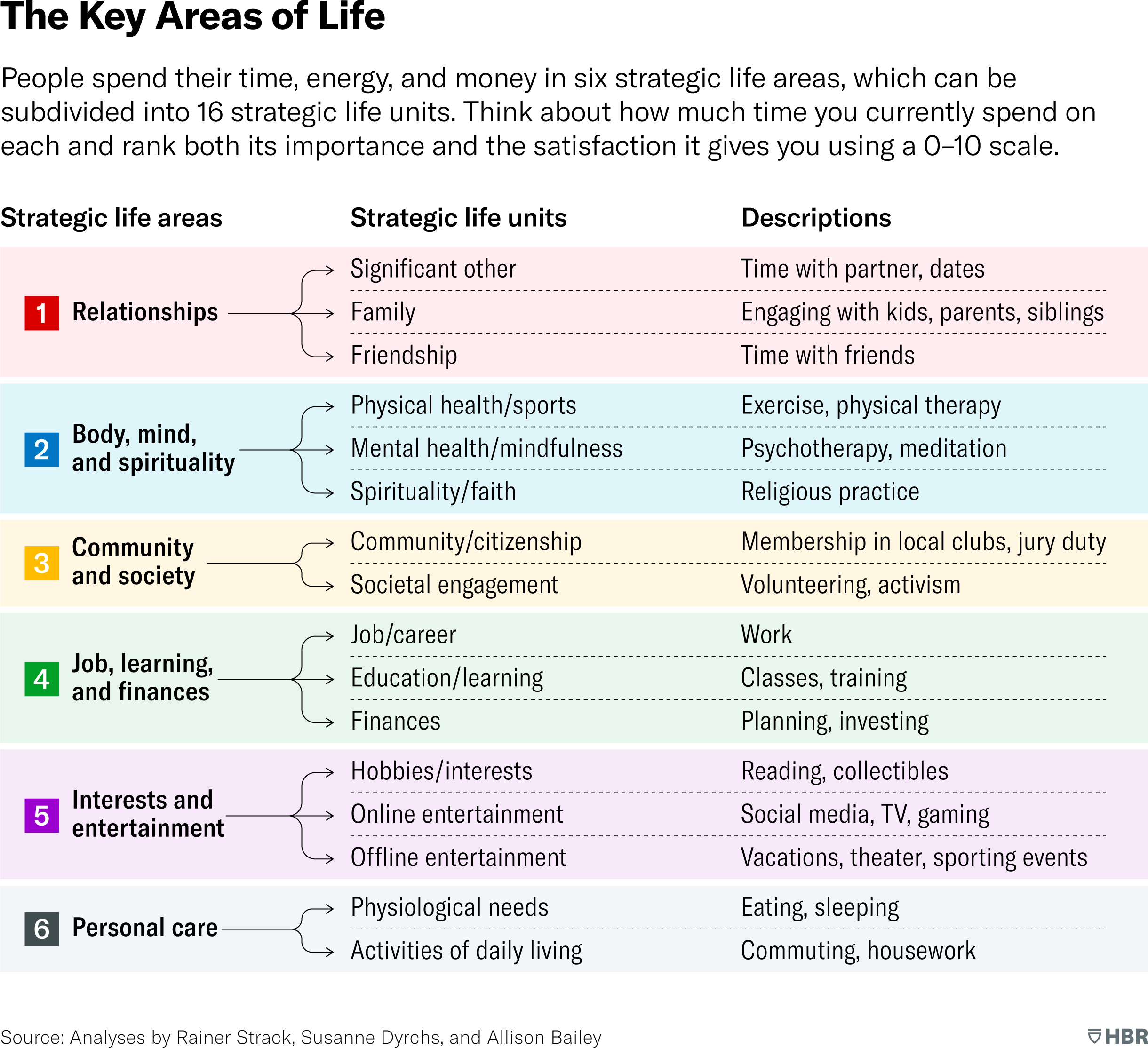
The Life Wheel: everything starts with this one. An eye-opener exercise from my first sessions paying for a legit life coach, back when you wouldn't find this title on 7 out of 10 LinkedIn profiles. This is the RPG character sheet structured in the life dimensions that make sense to me. I use a version of the PERMAV borrowed from positive psychology. For each Key Area of Life, I create a benchmark of what 0 means to me and what 10 would feel like. Every six months, you reassess where you are.
Objectives and Key Results: I had so many reps with OKRs in the technology world I'm part of that I incorporated the system into my own roadmap. Objectives are memorable and long-term-oriented, such as “The wisdom of speaking three languages” or “Celebrating a 30-year investing journey.” Key results are measurable and set for three to six months, like “Take three Spanish-only tours while traveling” or “Hit the eToro Diamond investment tier.”
Vision statement, principles, and mantras: I am a very systematic and focused individual, and after a few years of personal OKRs, I noticed a natural convergence to the vision I had for my life. When asked about it, the way I summarize it comes from one of my favorite books, which I remember finishing while in Cartagena, Colombia, in 2025: Richer, Wiser, Happier. I can track every single personal project to one of these three keywords. Principles, how I usually do things, and Mantras, key phrases I often repeat to stay on course, organically came into existence. I will always “start with the end in mind,” strive to be “1% better everyday” and design experiences based on “Omotenashi, the Japanese hospitality.” A lot of my evergreen writing has to do with capturing Principles and Mantras so I can pass them along. Believe me or not, I have a curated list for both, which I tend to review twice a year.


Asking right questions
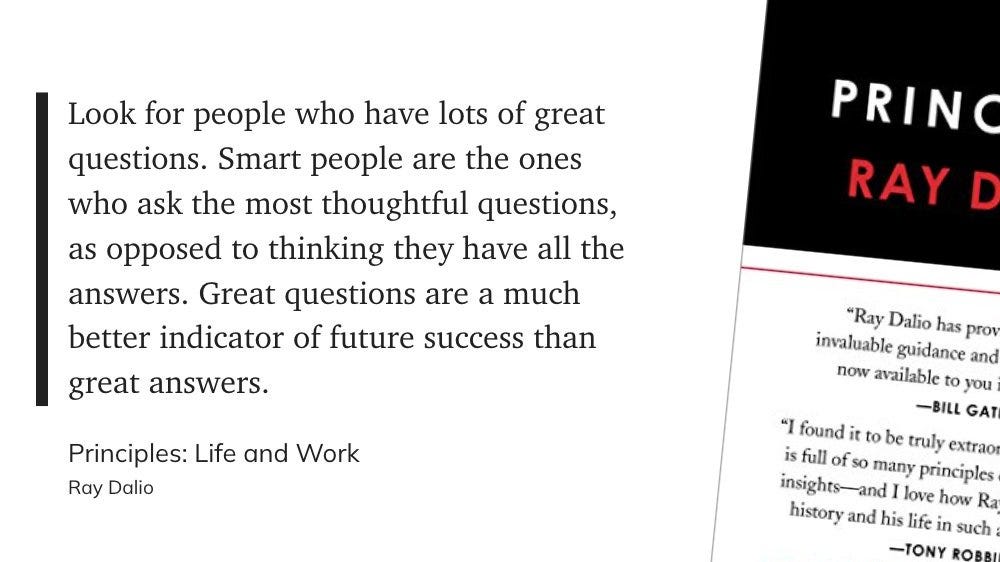
Any retrospective is only as good as the questions asked and the attention given to the right topics. If I have to share three key questions I ponder on each Think Week, these are the ones:
What’s the main thing? Has it changed for any reason? What projects and adventures are advancing the main thing?
How are the different life areas I track progressing over time? How do I stack up against my definition of worst vs best?
How am I growing? What are the routines in place that reinforce my 1% better every day? How and when do I apply learnings?
Away from keyboard
I was 21 when I was sent to California to take part in my engineering at Cal Poly Pomona. During 18 months in the land of dreams, I captured more Wisdom points to my character sheet than any time before. I understood how big the world was and how much there was out there to see. The game of life took an Age of Empires turn where now I had to clear the “fog of war.”
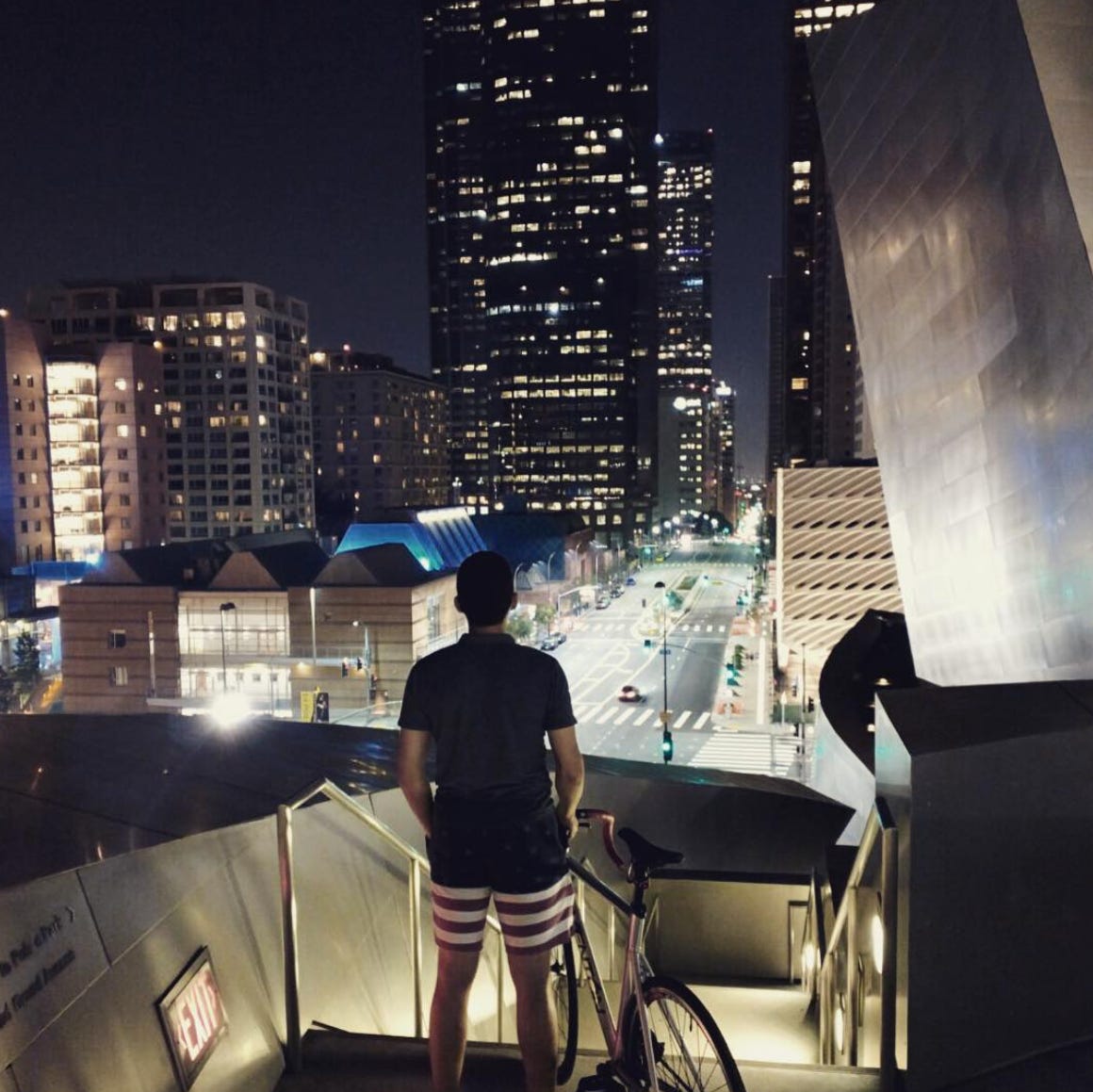
It's crazy to think how much I grew up plugged into screens, first the Super Nintendo, then the PS1, and after ’99, when I got access to dial internet after 2 p.m. on Saturday and full-day Sunday, oh boy, I was all over the web, and that never changed. I would spend countless weekends in front of the screen, just like I am right now, updating this piece from my office in Poland on a beautiful summer evening.
Stepping away from our digitally saturated environments, for me, is an exercise in itself because I don't like being disconnected at all.
Yes, I check Slack daily during “vacation.” Yes, I answer emails. Yes, I am proud to always be on, but that doesn't mean I can't disconnect.
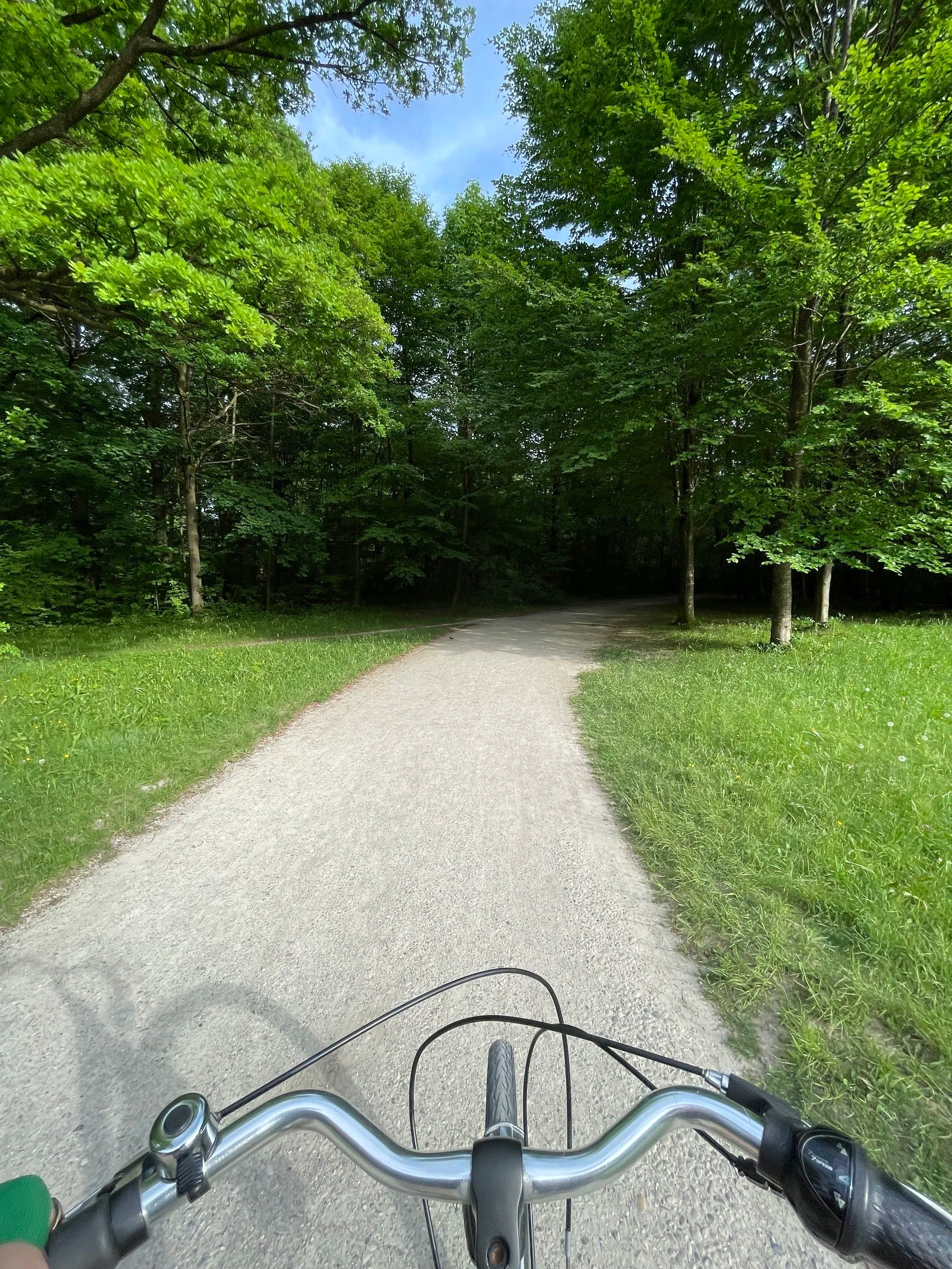
Cycling has always been my zen. The steady rhythm, the breeze, the changing landscape, it’s moving meditation. For some, it’s running shoes hitting pavement, the fresh breeze after hours of hiking, the peace in the flow of yoga. The key is finding your active escape. And the science is quite fascinating.
“During prolonged exercise or focused movement, our bodies release endorphins and endocannabinoids. These chemicals reduce pain, decrease anxiety, and create a sense of euphoria. It’s nature’s reward for pushing our limits. More than just feeling good. This state enhances creativity, improves problem-solving, and boosts overall cognitive function.”
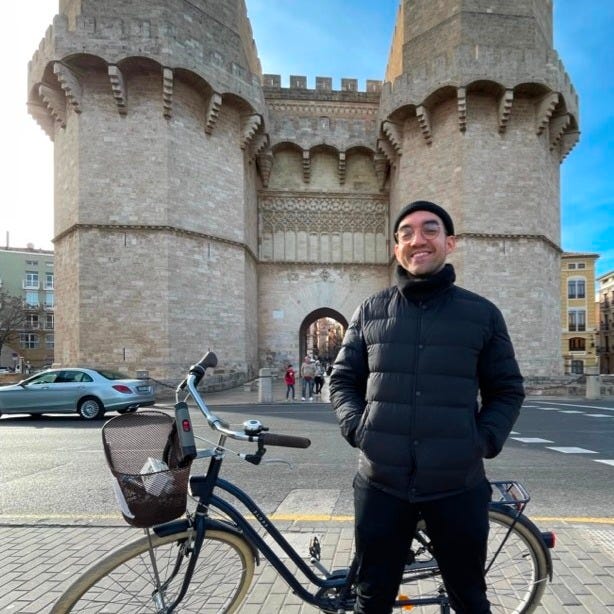
The time I invest in these offline activities is an essential part of my creative, reflective, and soul-searching process. Many of my best ideas come during or right in a new city that I just arrived.
Sources of wisdom
Designing Your Life: Build a Life that Works for You by Bill Burnett, Dave Evans
Use Strategic Thinking to Create the Life You Want, Harvard Business Review


