

How many people do I actively follow?
If I audit my feed today, the artists, authors, friends, family, the meme accounts pulling my attention, how happy am I with the library I cultivated? How intentional have I been?
What I consume shapes how I perceive, how I react, the language I use, and the color of my thoughts. Eventually, I start to think as they think.
What if I followed only the best 1%? How would that change me?

In the past, expertise was highly associated with access to information. That paradigm has flipped now that access is cheap. What's hard is sifting signal from the noise. Information curation, what's meaningful and reliable, matters more than ever.
We are flooded daily with more information than entire civilizations could have produced. The key practice in the modern world is not how to consume all of it, but how to decide what not to consume. How to stay informed without all the distractions? How to manage our information diet?
I was in the London office in the middle of a content strategy talk with a leader I admire, how attention spans have shortened, how fewer books are read by younger generations, how feeds are flooded with recycled content engineered to look smart in small bites that never reach long-term memory.
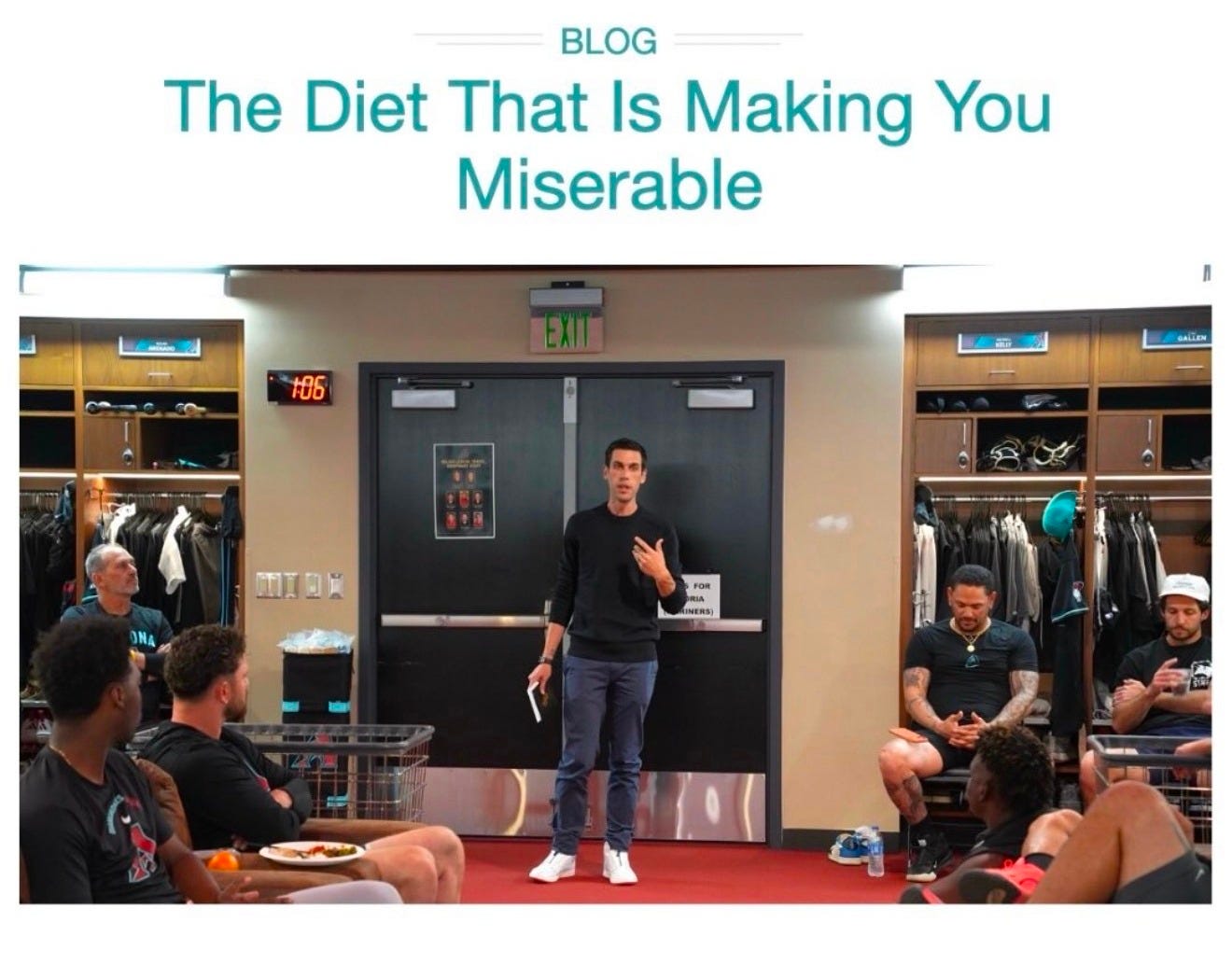
A few days later, I cross Ryan Holiday sharing old thoughts on the same topic, and on a 12-hour flight to South China, I went deep into Obsidian to revive this 2022 evergreen.
Curation is key
The act of selecting, organizing, and caring for the items in a collection.
To me, curation is the future of authenticity. When everything becomes commodity, what I choose to collect and the stories I have to tell about how each dot connect is what differentiates.
Some people are entertained by whatever the YouTube homescreen serves up. Or the Instagram feed. Or the random emails in the inbox. They’re algorithmically led. That's not good or bad, it's just is. I’m not above it as I catch myself watching CNBC on autopilot late at night when my brain wants to slow down. The difference is awareness.

Where I eat, where I travel, what I read, watch, listen to, the services I subscribe to, my wardrobe, the people I keep close — everything is intentionally curated and aligned with the main thing.
Every six months, I audit my information sources and consumption routines. Last time, in Hong Kong, refining the information diet in front of Victoria Harbor, thinking that, as far as we know, all we have is time in this one wild and precious life.
The audit is always a calming exercise, unsubscribing, cleaning the inbox, deciding what to say no to, exercising intention.

Attention follows intention
A wealth of information created a poverty of attention, and every minute of attention is a minute of life spent. There's no exchange rate.
The ancient Greeks treated distraction not as an external interruption but as a failure of character, a slow inner drift from what you said you valued.
Attention is the beginning of devotion, says Mary Oliver passionately.
Devotion to what you read becomes who you think alongside. Devotion to who you spend time with shapes your character. Devotion to your environment becomes the rhythm of your days.
Harvard research claims the people you habitually associate with determine as much as 95 percent of your success or failure in life, and the lead scientist, Dr. Dardy Hardy, names three forces shaping who we become:
Input, what you feed your mind
Associations, the people you spend time with
Environment, your surroundings
Curate all three. Audit them on a cadence. The unaudited life drifts toward the algorithm.
Choose carefully who you give your hours to, I save time standing on the shoulders of giants.
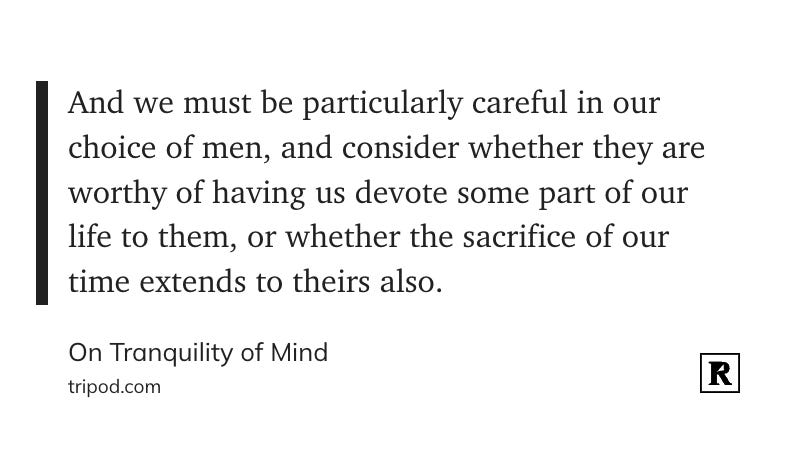
Spend time reading
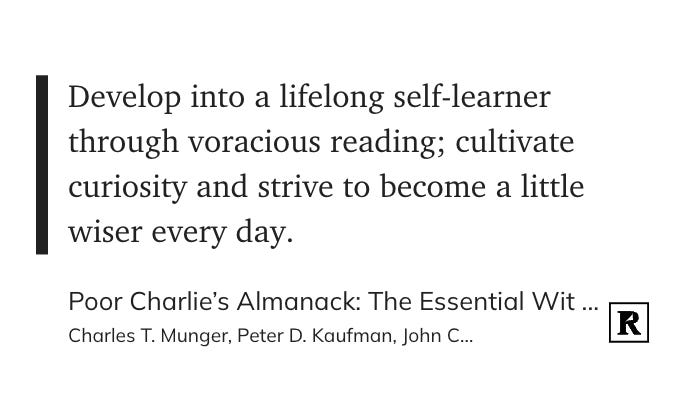
You can't think well without writing well, and you can't write well without reading well, and I spend quite some time curating what I decide to read.
Think that for the price of a book that I often read in between flights, I get to sit with the best thinkers of the last few thousand years. Books make for great friends, because the best thinkers will tell you their nuggets of wisdom.
Warren Buffett, who built an entire career on this habit, once told a room of students how he’d prepare for a life in investing: “I read 500 pages every week. That’s how knowledge works. It builds up like compound interest. All of you can do it, but I guarantee not many of you will.”
Munger would call him a “continuous learning machine.”
On any given day, Buffett reads for five or six hours behind a closed office door. The trillion-dollar conglomerate of Berkshire Hathaway is a byproduct of that habit.
Friends who don’t tire. Friends across centuries. Friends who challenge you to think clearly.
Keep in mind that more is not better, and Seneca caught this trap two thousand years ago, when libraries were status symbols.
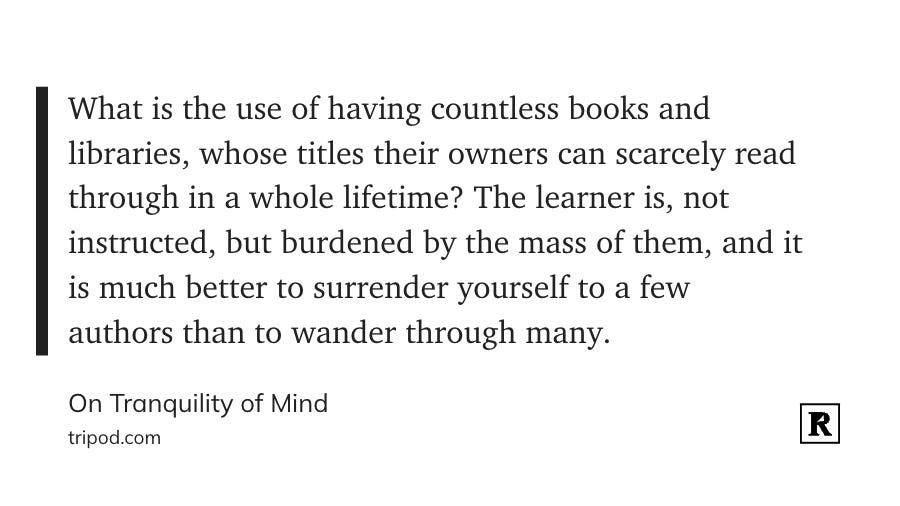
Seneca is telling us to curate, intentionally choose a few, go deep, and re-read.
I keep my list public on Goodreads and eventually share a few highlights in the books section as a habit to become 1% better every day.

Sources of wisdom
1. Holiday, R. The Diet That Is Making You Miserable.
2. Covey, N. I think we've all heard the saying "you become the average of the 5 people you spend the most time around."
3. Pabrai, M. Watch this before you invest a single dollar.
4. Kelly, K. The Need to Read.


